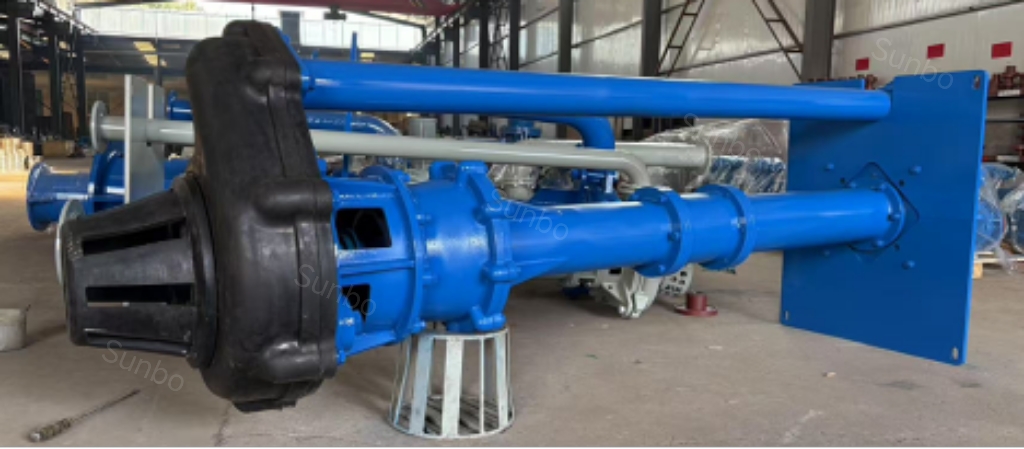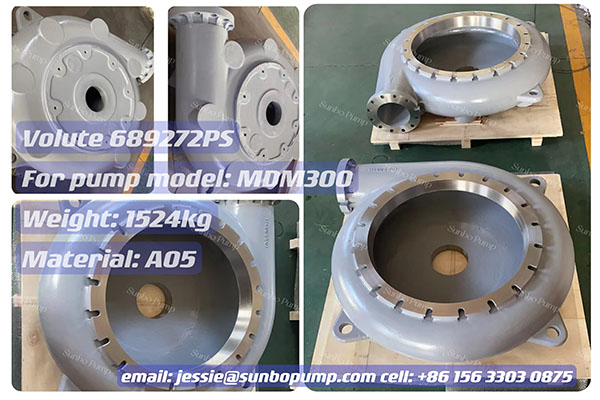
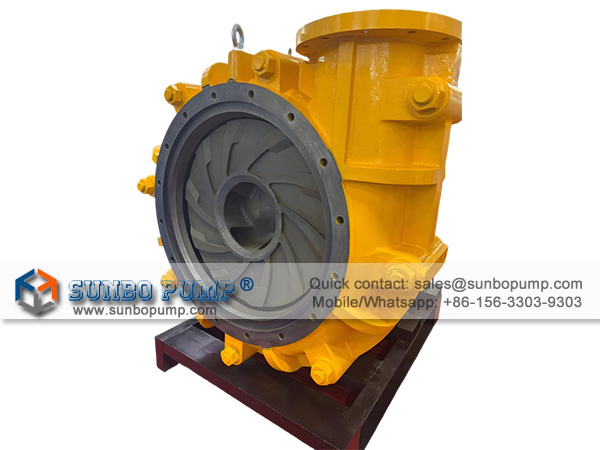
The ceramic slurry pump is a specialized conveying device developed for high-wear and highly corrosive conditions in mining, metallurgy, chemical, and other industries. Its core feature is that the wetted parts (impeller, liners, etc.) are made of high-hardness ceramic materials, delivering a service life 3 to 10 times longer than that of traditional metal pumps.
1. Core Advantages
Superior Wear Resistance: With a Mohs hardness of up to 9 (second only to diamond), the ceramic material effectively resists cutting wear caused by high-hardness particles such as quartz and ore.
Corrosion & High-Temperature Resistance: Chemically inert to acids and alkalis (generally not resistant to hydrofluoric acid), the pump adapts to extreme pH fluctuations from 0 to 14 and operates at temperatures up to 80°C–130°C.
Extended Service Life: In combined wear and corrosion conditions, its service life is 3 to 10 times longer than that of high-chrome alloy or rubber pumps, significantly reducing the frequency of spare parts replacement and downtime risk.
High Efficiency & Energy Savings: The hydraulic model is optimized through CFD fluid dynamics simulation, reducing turbulence losses and achieving hydraulic efficiency of over 85%.
2. Typical Applications
Mineral Processing: Particularly suited for concentrate pumps, tailings pumps, underflow pumps, and filter feed pumps after secondary grinding. Resists chemical corrosion from flotation reagents.
Metallurgy & Chemical Industry: Transfers leaching solutions and corrosive slurries in phosphoric acid production, alumina refining, and non-ferrous metal hydrometallurgy.
Power Plant Desulfurization: Handles highly corrosive gypsum slurry in FGD (flue gas desulfurization) systems, with a service life far exceeding that of conventional rubber-lined pumps.
Coal Heavy-Medium Separation: Processes suspensions in heavy-medium coal preparation systems, reducing maintenance frequency.
3. Selection Considerations
Particle Size: If the ore particles are large (e.g., diameter exceeding 4–5 mm) or the slurry is coarse from primary crushing, the advantages of ceramic pumps cannot be fully utilized, and high-chrome metal pumps may be more suitable.
Chemical Compatibility: Verify whether the medium contains hydrofluoric acid (HF) or strong alkalis. Most ceramic materials (silicon carbide/alumina) are not resistant to HF and require special confirmation.
Temperature Range: The maximum temperature varies depending on the ceramic composite process, typically between 80°C and 120°C. High-temperature conditions require special notification.
Installation Dimensions: Many ceramic pump brands retain mounting dimensions that are fully interchangeable with legacy ZJ, ZGB, or Warman-series metal pumps, facilitating direct drop-in replacement of old equipment.