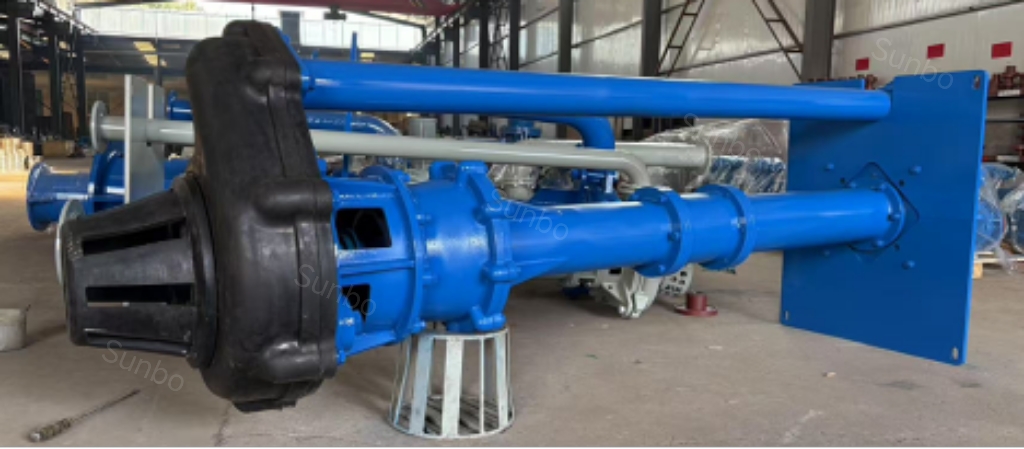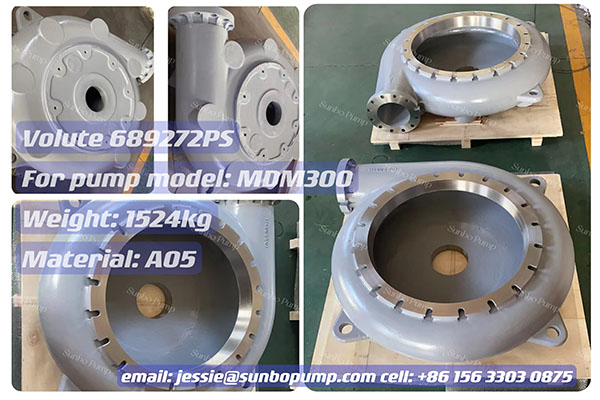
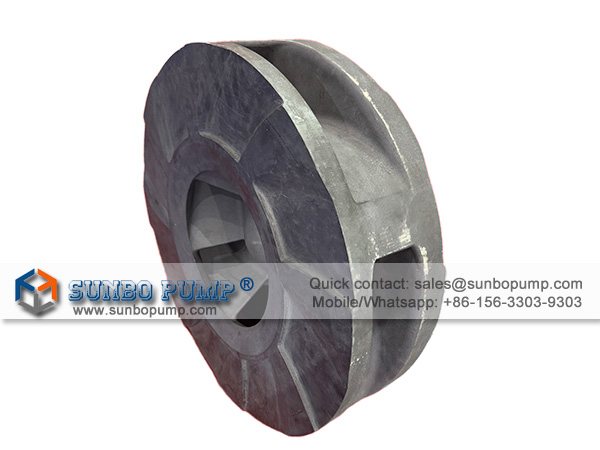
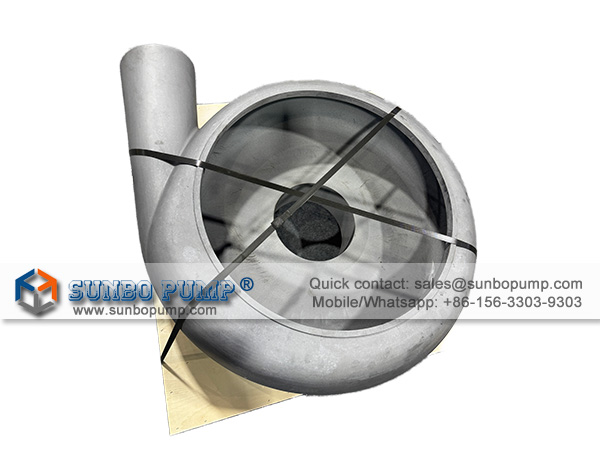
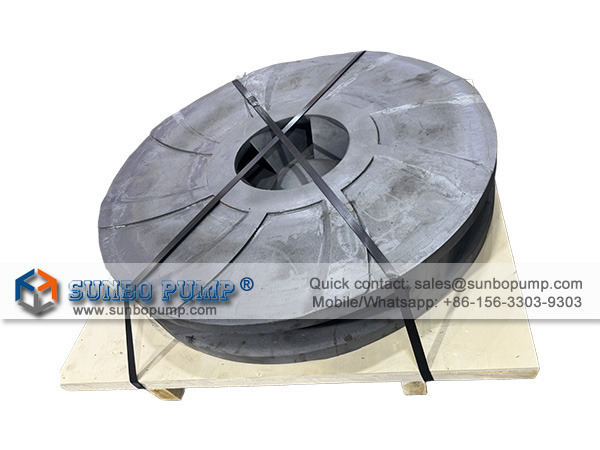
Ceramic slurry pump parts (such as impellers, liners, volute liners, and other flow-passing components) are engineered replacement parts designed for high-wear and high-corrosion applications in mining, metallurgy, chemical, and power industries. These parts feature a high-hardness ceramic working layer bonded to a metal outer shell, delivering superior service life and operational stability compared to traditional metal or rubber parts under severe slurry conditions.
1. Key Advantages
Extreme Wear Resistance
The ceramic material achieves a Mohs hardness of up to 9 (second only to diamond), effectively resisting abrasive wear caused by high-hardness particles such as quartz, iron ore, and tailings, especially in high-concentration slurry applications.
Corrosion & High-Temperature Resistance
Chemically inert to most acids and alkalis (except hydrofluoric acid), suitable for extreme pH fluctuations from 0 to 14. Operating temperature range: 80°C to 130°C (176°F to 266°F).
Extended Service Life
Under combined wear and corrosion conditions, ceramic parts last 3 to 10 times longer than high-chrome alloy or rubber pump parts, significantly reducing replacement frequency, maintenance costs, and downtime risk.
High Energy Efficiency
Flow passages are optimized using CFD (Computational Fluid Dynamics) simulation, achieving hydraulic efficiency of over 85%, reducing turbulence losses and system energy consumption.
2. Typical Applications
Mining & Mineral Processing
Concentrate pumps, tailings pumps, underflow pumps, and filter feed pumps after secondary grinding.
Metallurgical & Chemical Industry
Transport of leaching solutions and corrosive slurries in phosphorus chemicals, alumina, and non-ferrous hydrometallurgy.
FGD (Flue Gas Desulfurization)
Handling highly corrosive gypsum slurry in power plant desulfurization systems – far longer life than traditional rubber-lined pump parts.
Coarse Coal & Heavy Media Separation
Handling heavy medium suspensions in coal preparation plants, reducing maintenance frequency.
3. Selection Considerations
Particle Size
Optimal for particle diameters ≤ 4–5 mm. For larger particles or coarse slurries (e.g., primary crushing stage), ceramic parts may have limited advantage – high-chrome alloy parts may be more suitable.
Chemical Compatibility
Verify whether the slurry contains hydrofluoric acid (HF) or strong alkalis. Most ceramic materials (alumina, silicon carbide) are not resistant to HF – special confirmation is required.
Temperature Range
Temperature limits vary by ceramic composite process, typically between 80°C and 120°C (176°F–248°F). High-temperature applications require special specification.
Installation Interchangeability
Most ceramic pump parts are designed with the same mounting dimensions as ZJ, ZGB, or Warman series metal pumps, enabling direct replacement of old equipment without modifications.