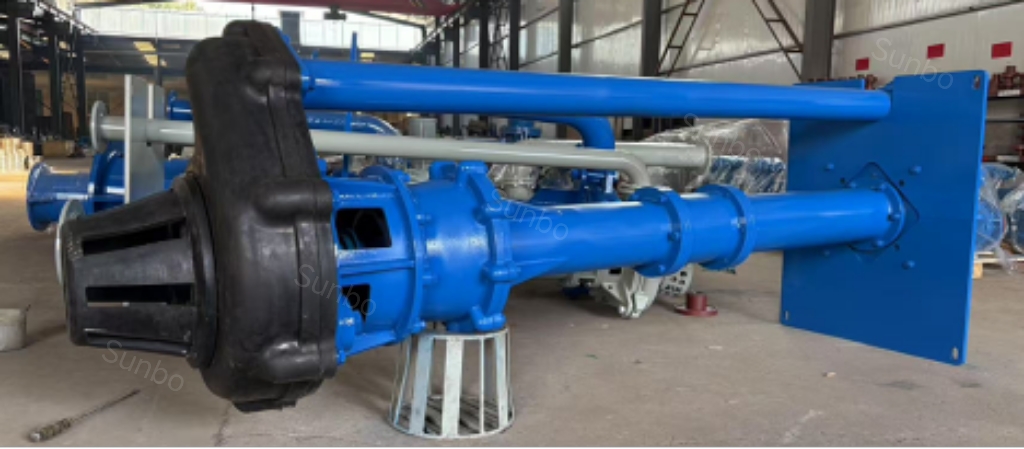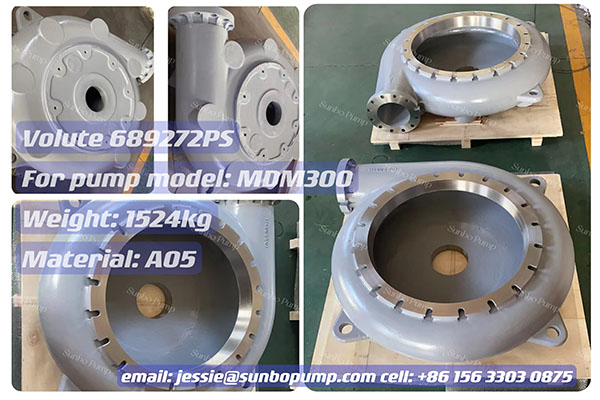
Slurry Pump Selection
Characteristics of the Transport Medium (Slurry)
Solid Particle
**Particle Size Distribution: Maximum particle diameter, average particle size, particle size gradation. This affects the pump's flow passage clearances and clogging resistance.
**Particle Hardness:** What is the hardness? Higher hardness particles are more abrasive.
**Particle Shape:** Are they spherical, rhombic, or sharp/angular? Sharp, angular particles cause more severe wear.
* Slurry Properties:
* Concentration: Weight concentration (Cw) or volumetric concentration (Cv). This is a key parameter, directly affecting the slurry's density and viscosity.
* Density: The overall density of the slurry.
* Viscosity: High-concentration slurries may exhibit non-Newtonian fluid characteristics, affecting flow rate and head.
* pH Value: Determines the corrosiveness of the slurry to select appropriate corrosion-resistant materials.
Operating Parameters
* Flow Rate (Q): The volume of slurry to be transported per unit of time. Units are typically m³/h or L/s.
* Head (H): The total energy the pump needs to provide, measured in meters (m). **Here is a crucial point: The head for a slurry pump must be based on the "slurry head" and not the "clear water head".** Because slurry has higher density and viscosity, the pipeline loss (slurry pipeline friction loss) will be higher at the same flow velocity. Correction based on the clear water head is usually necessary, requiring specific correction factors to be determined via calculation or reference tables.
* Inlet Conditions:** Is it a flooded (positive pressure) suction or a suction lift (negative pressure) installation? What is the pressure and liquid level height in the suction tank?
* Installation Environment: Indoor or outdoor? What is the ambient temperature? This influences the shaft seal type and motor protection class.